Nine programmes, one parish
Each programme grew out of a need our community named directly — from a trade someone could build a livelihood on, to the wetlands and wildlife that surround Buyinja Butoole.
Vocational Skills Training
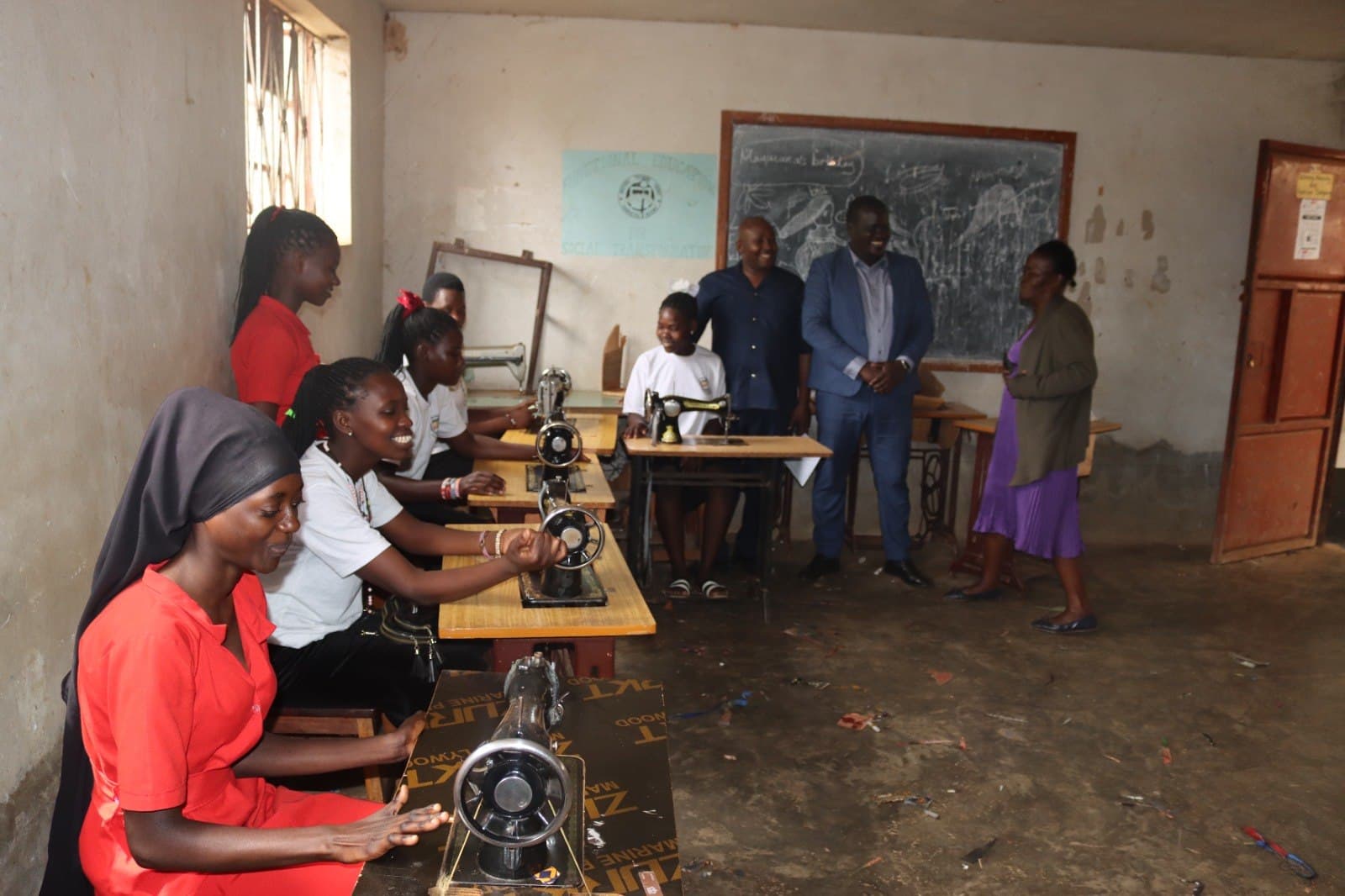
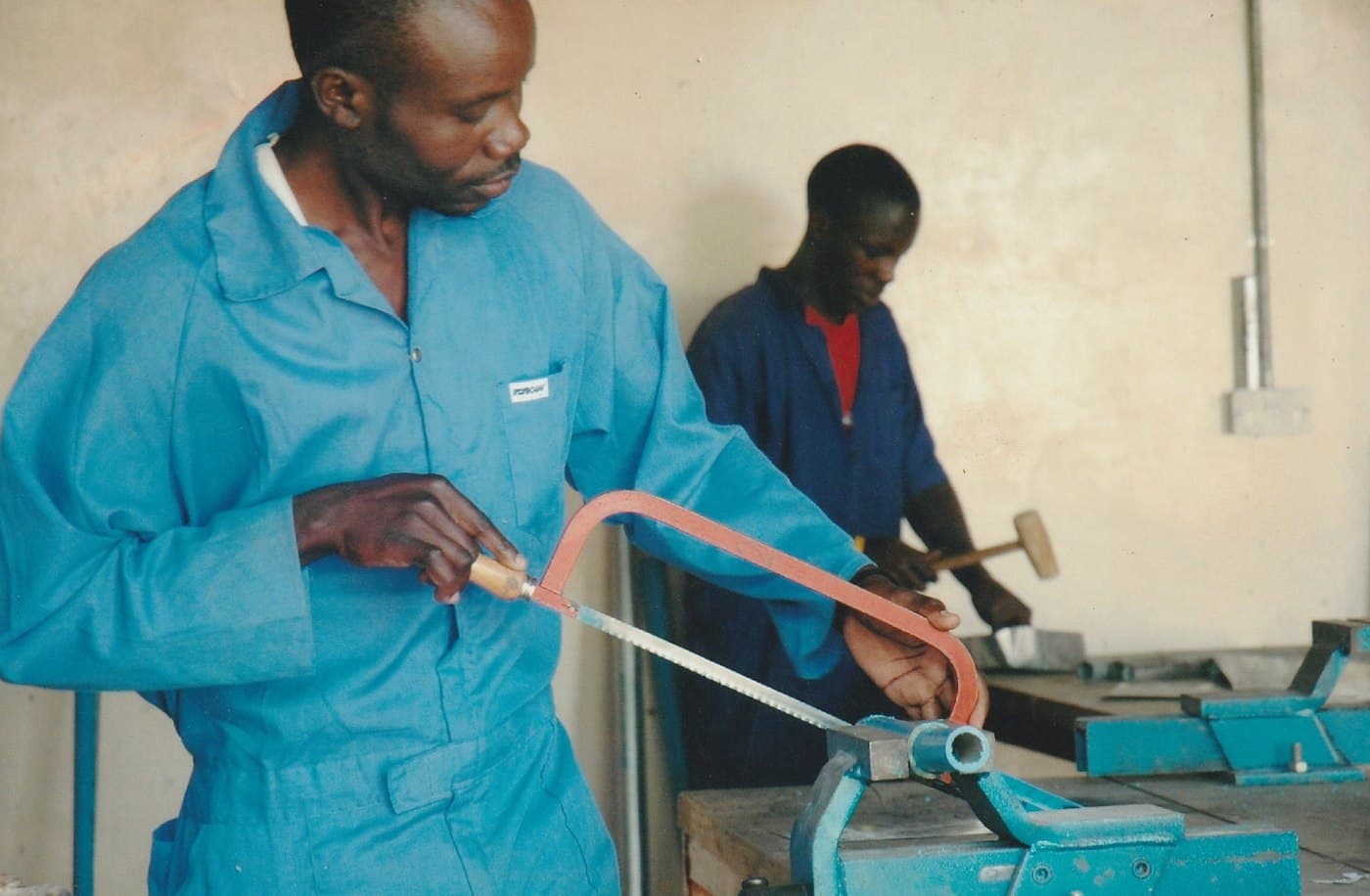
Since 2018 the Centre has run practical, workshop-based training for youth from Buyinja Butoole Parish who might otherwise have no route into skilled work. Trainees learn tailoring and garment design, carpentry and joinery, welding and metalwork, weaving, and basic computer studies — trades chosen because they lead directly to employment, self-employment, or the confidence to start a small enterprise in the local economy.
Education Support
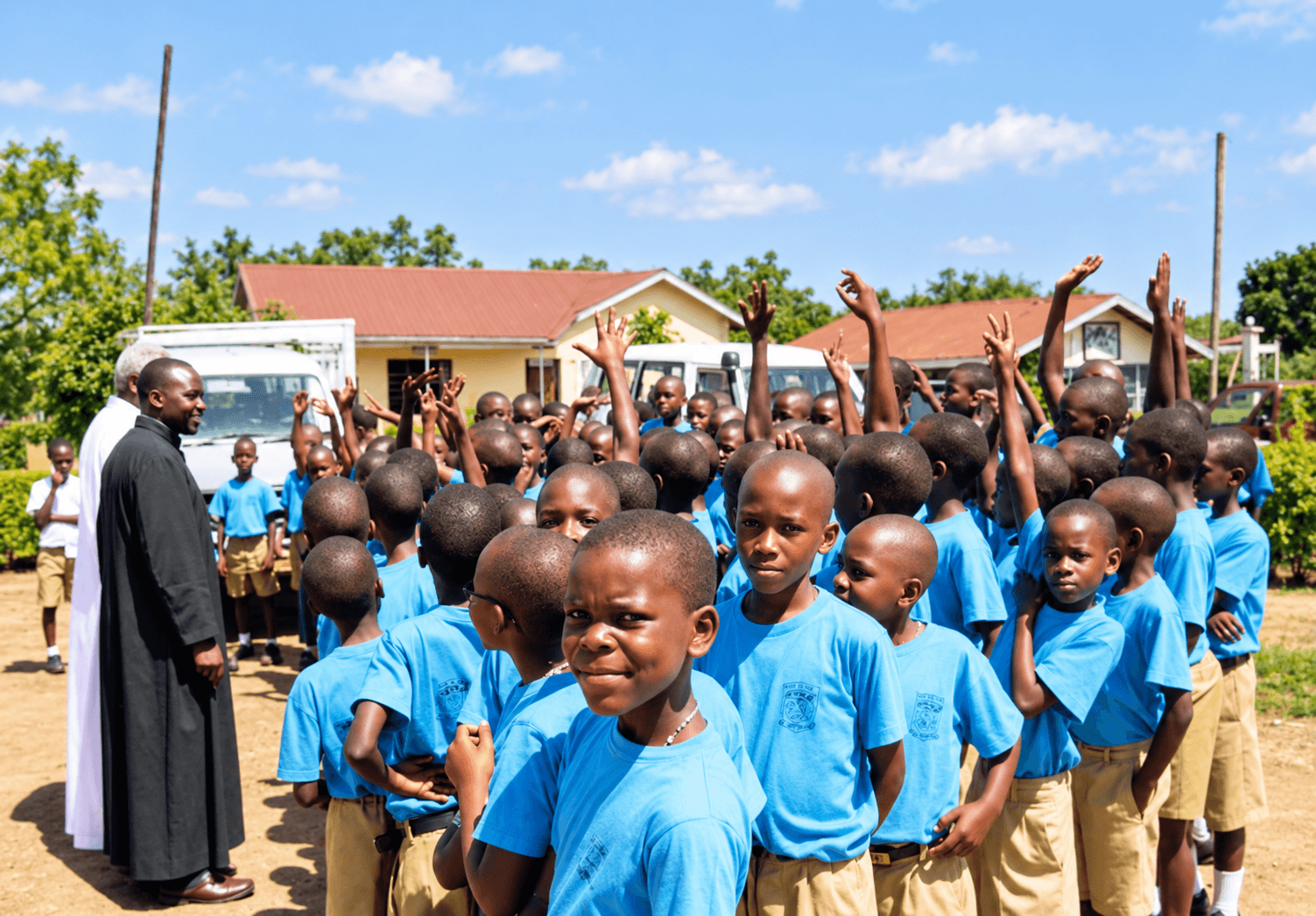
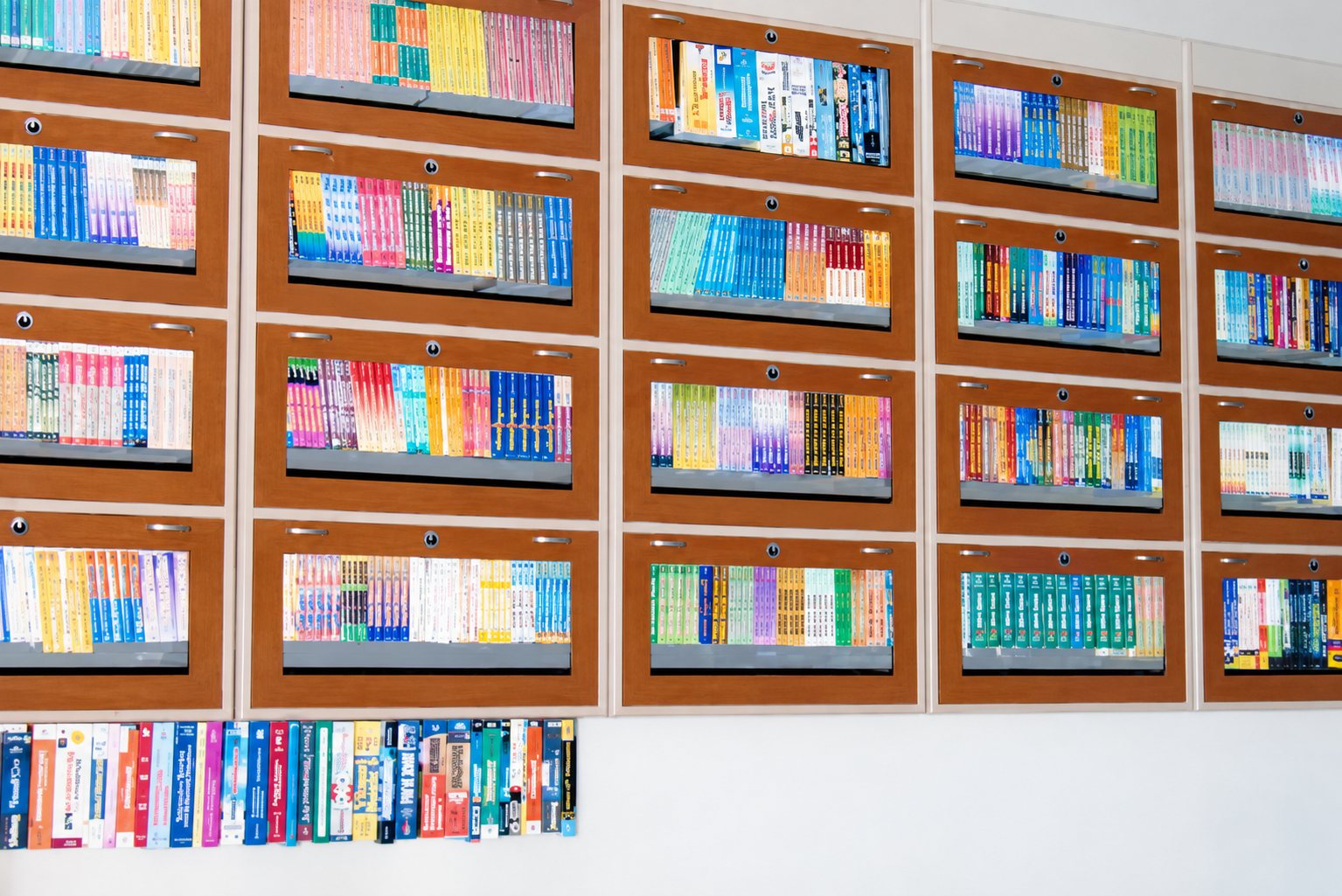
Education is the foundation the Centre's other work builds on. We support access to schooling, learning materials, and mentorship for children and youth from the parish alongside the vocational programme, so that formal education and practical skills training reinforce each other rather than competing for a family's limited resources.
Child & Youth Welfare
The Centre was established, in part, to offer social welfare services to the poor and to children and youth of the parish. That means practical support and pastoral care for young people navigating difficult family or economic circumstances — the welfare work that makes it possible for a child to walk through the Centre's doors at all.
Women & Youth Empowerment
Alongside trade skills, the Centre works to strengthen the standing of women and young people in the community — supporting their participation in training, in decisions that affect them, and in the local economy, so empowerment is a lived outcome and not just a stated goal.
Healthcare & Social Support
Healthcare and social support sit alongside education and welfare as founding services to the parish — helping community members, especially those with the least resources, get access to basic healthcare, health information, and referral to further support where the Centre itself cannot provide it directly.
Environmental Studies
The Centre teaches environmental studies alongside its trade and welfare programmes: wetlands and ecosystems, waste management, tree planting, water conservation, and sustainable agriculture. The aim is practical understanding young people can act on at home, and knowledge that feeds directly into the Centre's conservation education work.
Shoebill Conservation Education
The shoebill is one of Africa's rarest and most distinctive birds, and Uganda's wetlands are among the few places it can still be reliably found. The Centre runs conservation education focused on the shoebill and the threats facing it and its wetland habitat — helping the next generation understand why a single, unusual-looking bird can matter so much to an entire ecosystem. This is education and awareness work, not a rescue or sanctuary programme.
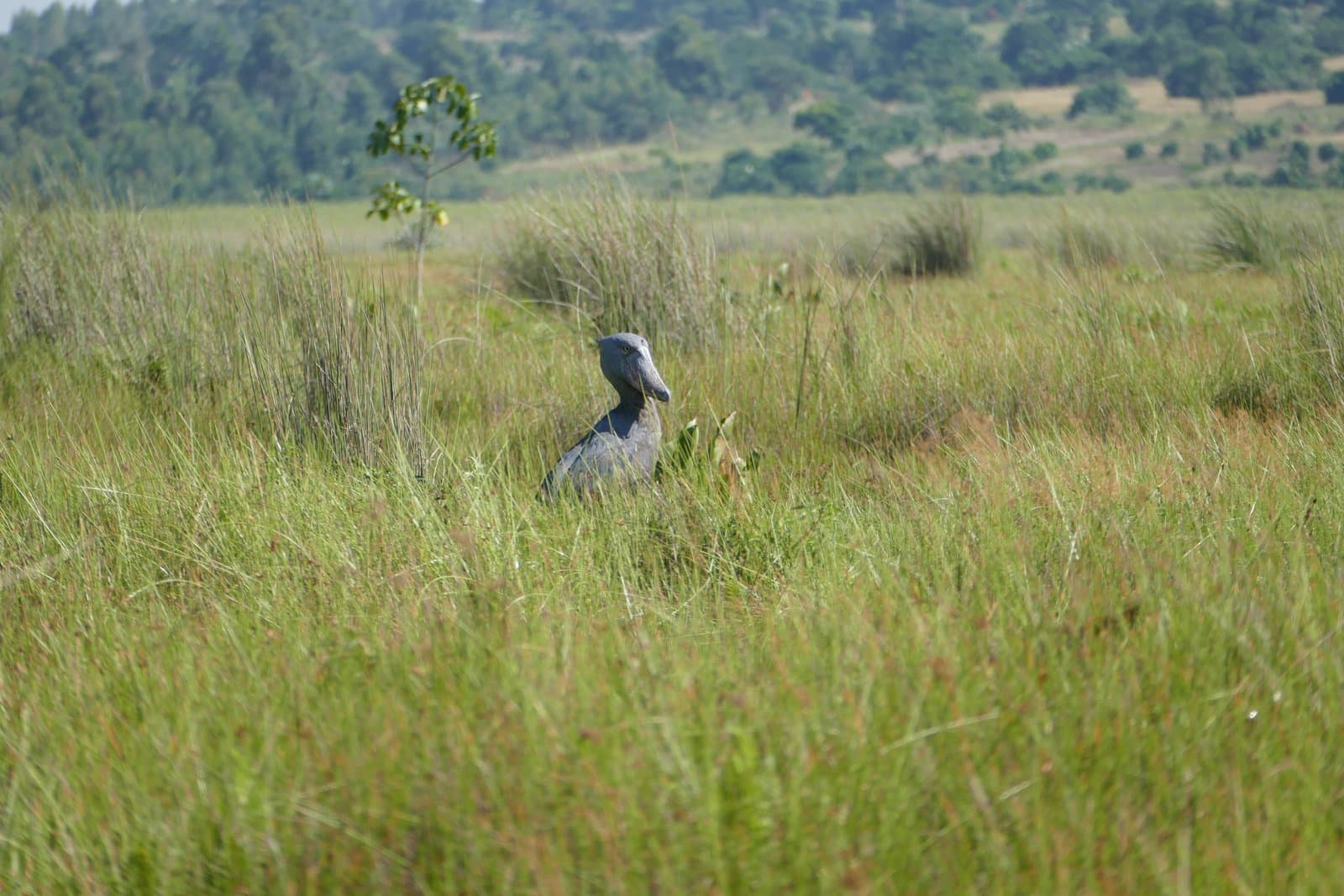
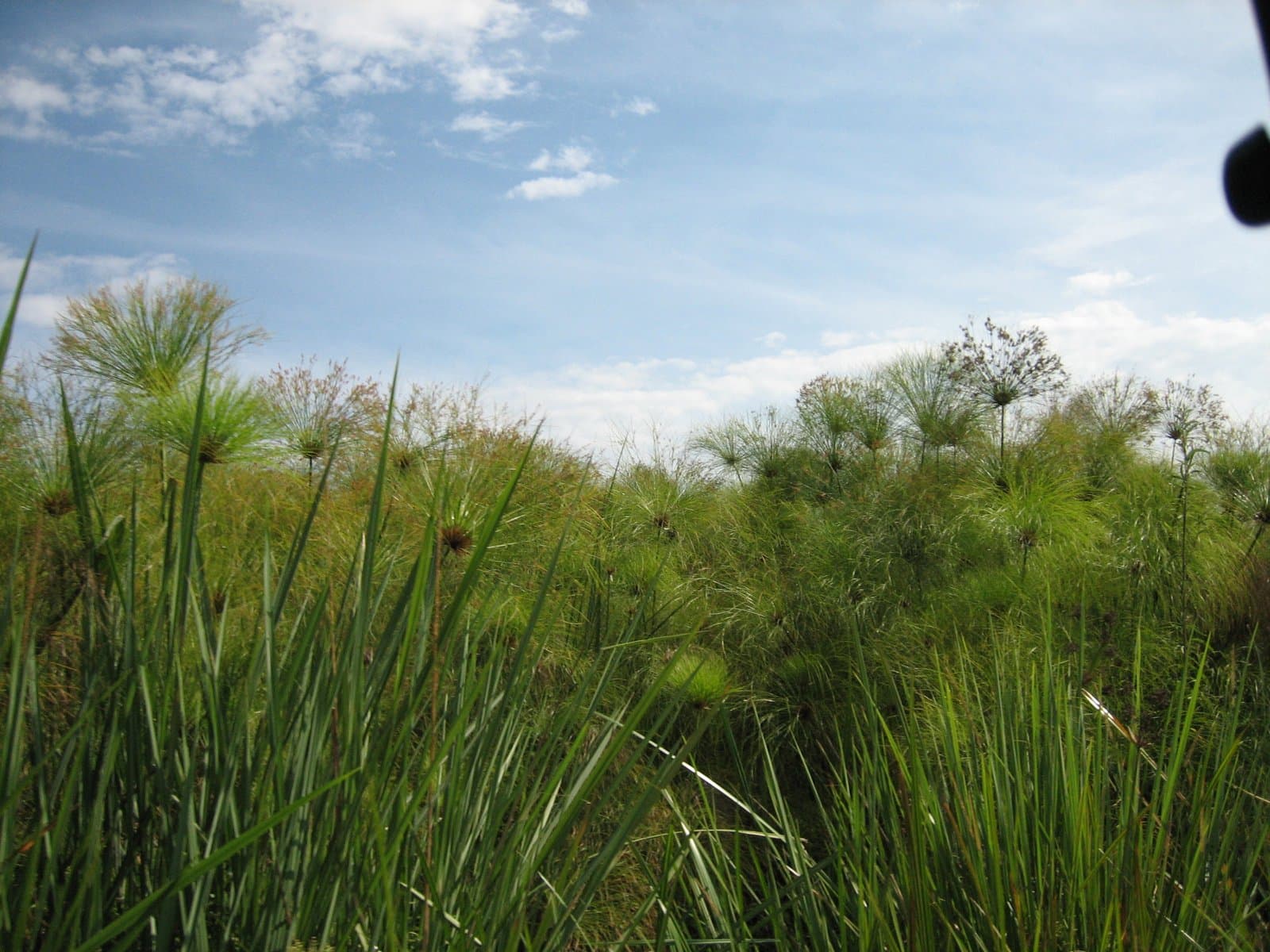
Reference photos, not taken by the Centre — via Wikimedia Commons, credited on the related story.
Wildlife Education
Beyond the shoebill, the Centre teaches awareness of Uganda's wider biodiversity — birds, mammals, and the habitats they depend on — along with responsible, lawful behaviour around wildlife and human-wildlife coexistence. The goal is a community, and a generation of young people, who understand what is worth protecting nearby and why.
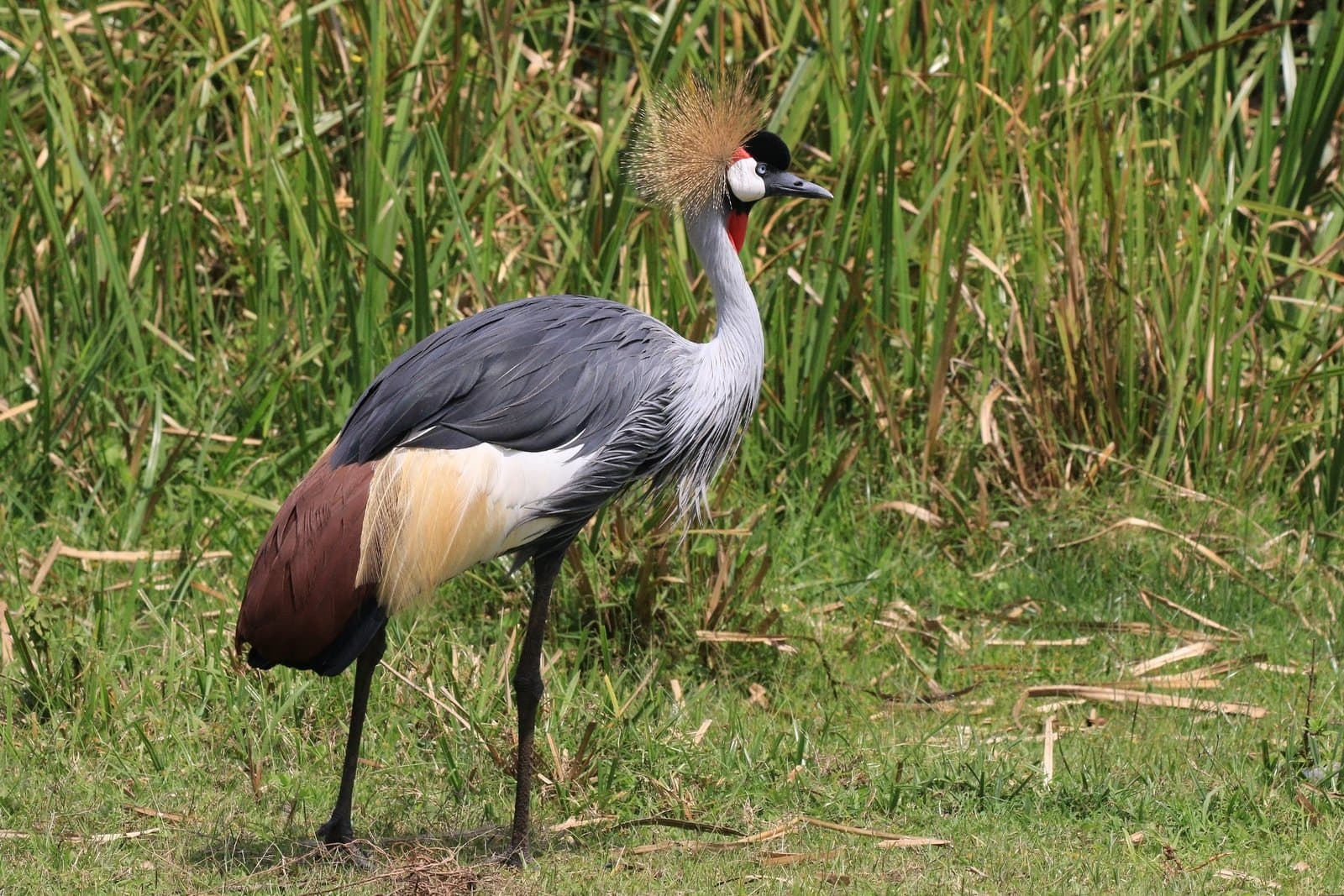
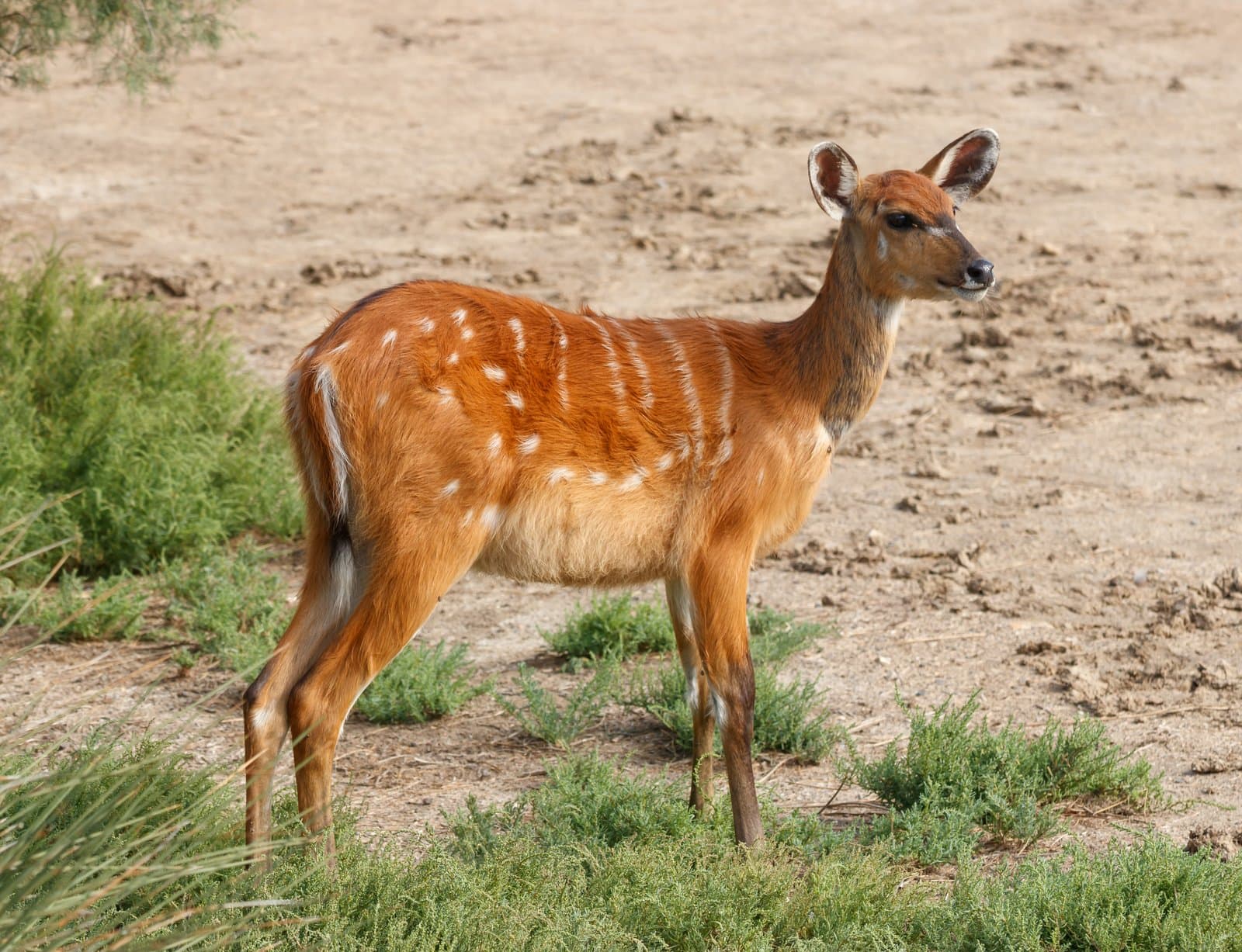
Reference photos, not taken by the Centre — via Wikimedia Commons, credited on the related story.
Community Awareness & Human Rights
The Centre runs community sensitization on rights and responsibilities, inclusion, and the protection of vulnerable people — work rooted in the same founding purpose as our welfare programmes. In practice this means conversations, referrals, and support that help people in the parish know their rights and where to turn when they need help.
These programmes run on community support
Training equipment, learning materials and staff time all cost more than our own resources cover. Here is how to help.